4x4 and SUV Tyres: How to Choose the Right Set

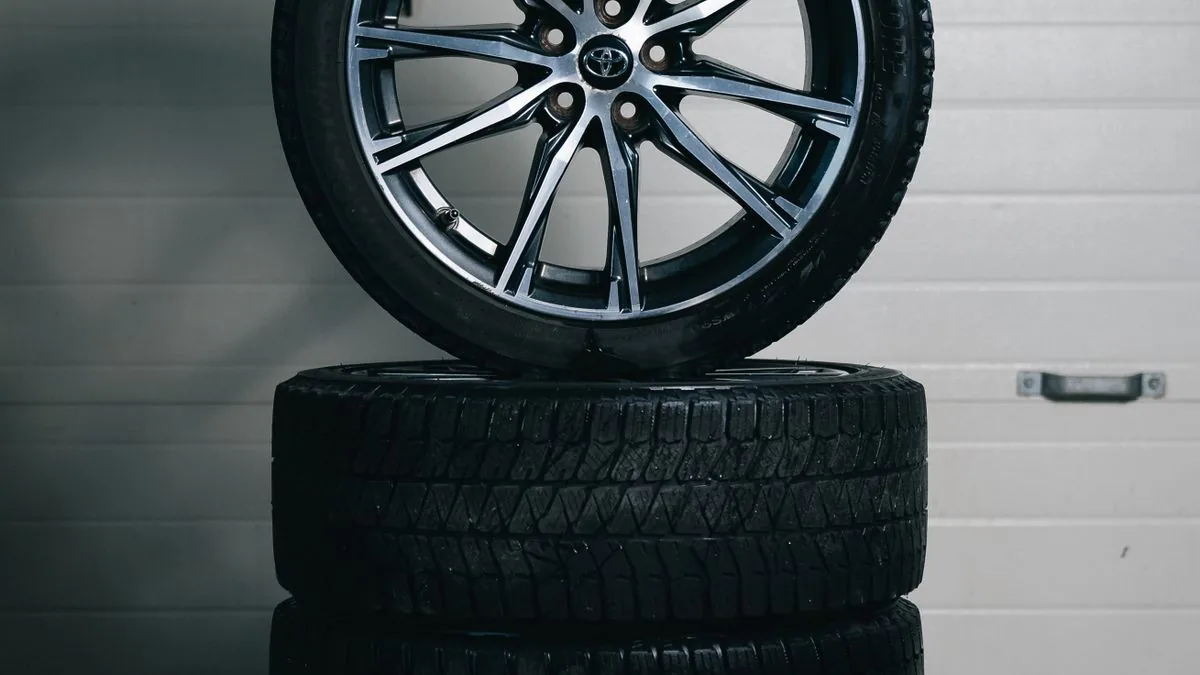
Choosing 4x4 and SUV tyres comes down to honest driving habits, not the badge on your bonnet. Most owners stay on tarmac, so road or all-season tyres suit them best, while genuine off-roaders need rugged all-terrain rubber. Get the tyre type, load rating, size and fitting right and your heavier vehicle stays safe, stable and predictable in every season.
What are the main types of 4x4 and SUV tyres?
Four-by-four and SUV tyres split into three broad families: highway or road tyres built for tarmac, all-terrain tyres for mixed on and off-road use, and mud-terrain tyres for serious off-roading. The right choice depends far more on where you actually drive than on the size or badge of your vehicle.
Road or highway-terrain tyres prioritise low noise, wet grip, comfort and fuel efficiency for school runs, motorways and city traffic. According to Continental's off-road tyre guide, on-road SUV tyres use a smaller contact patch and shallow grooves that are not self-cleaning, so they clog with mud and gravel off-road, and their sidewalls are not reinforced against rocks the way off-road tyres are.
All-terrain (A/T) tyres use an interlocking tread that copes with dirt, gravel and grass yet still rides quietly on tarmac. Mud-terrain tyres take that further with aggressive, self-cleaning blocks and tougher sidewalls for the roughest ground, but they hum on the road and wear faster.
Quick guide by use
- Mostly tarmac: road or highway-terrain SUV tyres.
- Mixed use, occasional trails: all-terrain tyres.
- Frequent off-road, towing on rough ground: mud-terrain tyres.
Most SUVs are best served by quality road rubber, so it is worth comparing options across our full tyre range.
Why do SUVs need higher load ratings and XL markings?
SUVs and 4x4s are heavier than ordinary cars, so the load index printed on the sidewall is not a detail to overlook. Fitting a tyre rated too low risks overheating, faster wear and, in the worst case, a blowout under full load. The correct rating keeps a heavy vehicle planted and safe.
The load index is the number just before the speed letter, for example the 102 in 235/55 R18 102V. It states the maximum weight each tyre can carry. Heavier SUVs, especially when loaded with passengers, luggage or a roof box, often need Extra Load (XL) or Reinforced tyres, which use extra casing plies and stiffer sidewalls to cope safely.
The numbers matter. Continental confirms that a High Load (HL) tyre carries 825 kg at load index 101, about 10 percent more than the familiar XL standard of 750 kg at load index 98, and roughly a quarter more than a standard 670 kg SL tyre at load index 94, per Continental's load index explained.
Reading the sidewall
- Load index: match or exceed the figure on your original tyres.
- Speed rating: the letter must meet your vehicle's specification.
- XL, HL or Reinforced: look for these markings on heavier, loaded or towing SUVs.
One practical catch: Extra Load tyres only deliver their rated capacity at higher pressure. Continental notes that reinforced tyres require roughly 0.4 bar more inflation than standard tyres at full load, so setting them to a normal-car pressure quietly throws away the extra strength you paid for, as explained by Continental's reinforced tyres explained.
Never drop below your manufacturer's stated load and speed ratings, even to save money, because both directly affect safety and your insurance validity.
How do all-terrain tyres compare with road tyres for wear and noise?
All-terrain tyres trade some on-road refinement for off-road ability, and that trade-off shows up as more road noise, slightly higher rolling resistance and quicker tread wear on tarmac. If you rarely leave sealed roads, a highway or all-season SUV tyre will run quieter, last longer and grip better in everyday wet conditions.
The reason is physics, not marketing. Chunky, widely spaced tread blocks and a softer, more cut-resistant compound help an all-terrain tyre bite into loose surfaces, but those same features flex and abrade faster on hot tarmac and generate a low hum at speed. Highway tyres use tighter, quieter tread patterns tuned for grip and long life on the road.
Continental makes the same point from the opposite direction: because off-road and mud-terrain tyres have a reduced contact-patch area and broad grooves, they cannot match a good road tyre for outright tarmac performance, even though their reinforced sidewalls shrug off rocks better, as detailed by Continental's off-road tyre guide.
So unless you genuinely drive on trails, paying an all-terrain premium usually buys noise and wear you do not need. Be honest about your mileage split before choosing.
Which tyres suit a mostly-urban SUV in London?
For most UK SUV owners, especially around West London, all-season tyres are the smart year-round fit. They blend a moderate compound with hybrid tread that copes with warm summers, wet autumns and the occasional cold snap, without swapping sets. For a vehicle that rarely sees mud, they make far more sense than dedicated off-road rubber.
Look for the three-peak mountain snowflake (3PMSF) marking, which confirms certified cold-weather performance. That gives an SUV dependable grip on frosty mornings while staying quiet and efficient the rest of the year. Here in Park Royal, most SUVs and 4x4s we fit at NW10 7TR never leave tarmac, so refinement, wet safety and tread life matter more than trail traction.
All-season tyres will not replace true winter or off-road tyres at the extremes, but they handle everyday British driving well. If your SUV stays mostly on the road, our all-season tyre selection is a practical starting point.
Should all four tyres on a 4x4 match?
Yes. On four-wheel-drive and all-wheel-drive vehicles, matching all four tyres is especially important. Mismatched brands, tread patterns or tread depths make the wheels rotate at slightly different speeds, which can strain the differential, transfer case or driveline and lead to expensive mechanical damage over time.
Even on two-wheel-drive SUVs, four matching tyres give the most balanced and predictable handling, particularly in the wet. Keep the same make, model, size and rating across all corners. If you must replace only two, fit the newest tyres to the rear axle to maintain stability under braking and in bends.
Why mixing causes problems
- Different rolling diameters confuse the four-wheel-drive system.
- Uneven grip levels make the vehicle behave unpredictably.
- Premature wear and drivetrain stress add long-term cost.
What should you check when fitting and running SUV tyres?
Correct fitting and upkeep protect both safety and tread life on a heavy vehicle. Larger SUV wheels need accurate balancing and proper torque, the extra weight makes wheel alignment genuinely important, and you should stay well clear of the legal tread-depth limit rather than run tyres down to it.
UK law sets the minimum tread depth at 1.6mm across the central three-quarters of the tyre and around its complete circumference. The RAC warns that safety falls away long before that: MIRA testing found that wet braking distance between a tyre worn to 3mm and one worn to 1.6mm can differ by as much as 44 percent, per RAC's checking tyre tread.
After fitting, your tyres should be balanced, inflated to the loaded pressures in your handbook and aligned to specification. Many SUVs list a higher pressure for full loads or towing, so check both figures, especially with Extra Load tyres.
Fitting and upkeep checklist
- Balancing: essential on larger, heavier wheels.
- Alignment: protects tread life and straight-line stability.
- Pressures: use the loaded figures when carrying weight or towing.
- Tread depth: replace nearer 3mm, not at the 1.6mm limit.
Further reading: Same-Day Tyre Fitting London: Drive-In NW10, From £35 and Best Budget Tyre Brands UK: Which Are Worth Buying?.
Frequently asked questions
Can I fit normal car tyres to my SUV?
Only if they meet your SUV's size, load index and speed rating. Many SUVs need Extra Load or Reinforced tyres because of the extra weight. Always match the manufacturer's specification on the sidewall and door pillar; fitting under-rated tyres is unsafe and can invalidate your insurance.
Do all-terrain tyres wear out faster on the road?
Usually, yes. Their chunky tread blocks and softer compound tend to wear quicker on tarmac and generate more road noise than highway tyres. If you rarely go off-road, road or all-season SUV tyres last longer, run quieter and grip better in everyday wet conditions.
What does XL or Extra Load mean on an SUV tyre?
XL, HL and Reinforced markings show a tyre built with stronger casing and stiffer sidewalls to carry more weight than a standard tyre of the same size. Heavier SUVs, EVs and vans often need them, but they only reach their rated capacity at the correct, slightly higher pressure.
Why is matching all four tyres so important on a 4x4?
Four-wheel-drive systems rely on all wheels turning at matched speeds. Different tread depths or tyre models create varying rolling diameters, straining the differential and transfer case. Fitting four identical tyres protects the drivetrain, keeps handling balanced and avoids costly mechanical repairs further down the line.
What tyre pressure should an SUV run?
Use the figures in your handbook or on the door pillar, not a guess. SUVs often list one pressure for normal use and a higher one for full loads or towing. Extra Load tyres in particular need more pressure to carry their rated weight safely.
Not sure which 4x4 or SUV tyres suit your vehicle and driving? The team at Park Royal Tyre & Alignment Centre will recommend the right type, load rating and fitting for your needs, with expert balancing and alignment in-house. Call 020 3886 2355, message us on WhatsApp at 07476 586 589, or book your fitting online.
Find your tyre size
Your size is on the sidewall, for example 205/55 R16. Or look it up by car make.
Tyre Fitting near you
Prefer to get this sorted locally? Park Royal Tyre & Alignment Centre looks after drivers right across West and North-West London:
Same-Day Tyre Fitting & Walk-Ins Welcome
New tyres fitted from £35 while you wait, plus puncture repairs, wheel balancing and battery replacement at our Park Royal workshop. No appointment needed for tyres, just call in.