Are Performance Tyres Worth It? An Honest Guide


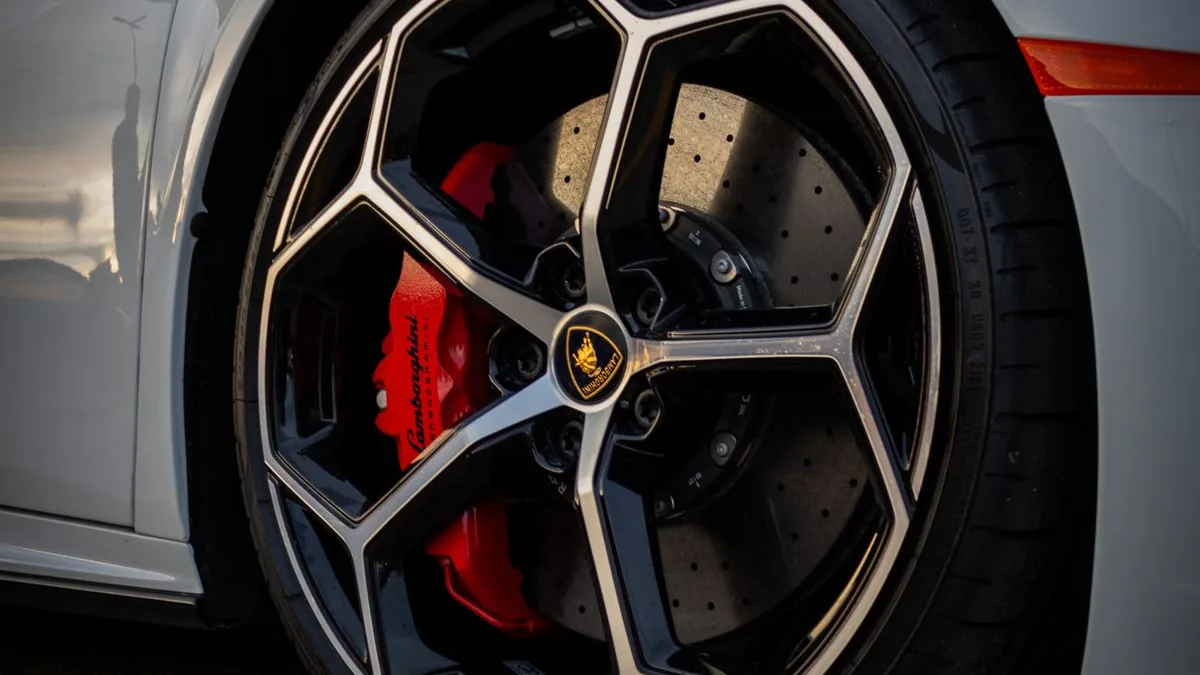
Are performance tyres worth it? For the right car and driver, yes. They deliver sharper handling, shorter dry stops and a more connected feel through corners. For gentle town commuting, usually not, because you pay more upfront, replace them sooner and rarely reach their limits. The honest answer hinges on your car, your driving style and the roads you actually use. This guide breaks down what "performance" really means, where these tyres shine, where they cost you, and who genuinely benefits, using current UK tyre-test data rather than marketing.
Key takeaways
- Performance tyres use softer compounds and stiffer construction for extra grip and steering response.
- The main trade-offs are quicker wear, higher cost, more road noise and a small fuel penalty.
- They suit powerful cars, keen drivers and dry, warm conditions best.
- Summer performance compounds lose grip sharply below 7C, so UK winters matter.
- Whatever you fit, correct alignment protects your investment and keeps wear even.
What makes a tyre a 'performance' tyre?
A performance tyre is engineered to prioritise grip, steering precision and high-speed stability over longevity and comfort. Manufacturers use softer rubber compounds, stiffer sidewalls and aggressive tread patterns to get there. The result responds faster to your inputs and holds the road harder when you push it.
You'll usually spot them by their higher speed ratings, often V, W or Y, and lower profile sizing. Construction matters as much as compound. Reinforced sidewalls reduce flex, so the contact patch stays planted during hard cornering. That's the trade many drivers want, and the same trade that shapes every benefit and drawback below.
What are the real benefits of performance tyres?
The headline benefit is grip. A softer compound and broader contact patch transfer more braking, accelerating and cornering force to the road. In dry, warm conditions that means shorter stopping distances and noticeably sharper turn-in. For drivers who enjoy the feel of a car, that confidence is the entire point of the upgrade.
There's also stability at speed. Stiffer construction resists deformation, so the steering stays precise and predictable when you're loaded up mid-corner. Many performance tyres manage heat better too, which matters on long motorway runs or spirited B-road drives. If your car has the power to use this grip, you'll feel the difference every time you turn the wheel.
How much grip do performance tyres actually add?
Measurably more, and independent testing shows it. In the 2025 Auto Express summer tyre test (225/40 R18), the Bridgestone Potenza Sport stopped from 50mph on a wet surface in just 30.0 metres, with the Pirelli P Zero PZ5 close behind at 30.8 metres (Tyre Reviews: 2025 Auto Express summer test). Those are strong wet numbers for grippy summer rubber.
The EU tyre label puts the gap in perspective. According to the RAC, an A-rated wet-grip tyre stops around 18 metres shorter than an E-rated one when braking from 50mph, with roughly 2.5 metres between each letter (RAC: tyre labels explained). A good performance tyre typically carries a high wet-grip rating, so the safety upside is real, not just a track-day indulgence.
The catch is that these figures assume warm, dry-to-damp tarmac and a fresh tyre. Push the same rubber into cold or heavily worn conditions and the advantage narrows quickly. Grip is a headline you have to read in context.
What are the trade-offs: wear, cost, noise and fuel?
The biggest catch is wear. Softer compounds grip harder but shed rubber faster, so performance tyres typically need replacing sooner than touring equivalents. That shorter life feeds directly into running cost, and the tyres themselves usually carry a higher upfront price than standard options in the same size.
Then there's fuel. Grippier compounds often carry higher rolling resistance. The RAC notes that choosing an A-rated tyre over a G-rated one for fuel efficiency can cut consumption by up to 7.5%, or more than 6 litres of fuel every 1,000 kilometres (RAC: tyre labels explained). Many performance tyres sit lower down that scale.
Noise and comfort are the final compromises. Aggressive tread blocks and stiff sidewalls can mean more road roar and a firmer ride over broken surfaces. Be honest with yourself here: if most of your miles are gentle commuting, you'll pay for these trade-offs without ever enjoying the upside.
Do performance tyres work in cold UK weather?
This is where UK reality bites. Dedicated summer performance tyres are optimised for warmth, not British winters. Michelin states plainly that summer tyres are designed to deliver optimal performance in temperatures above 7C, and advises switching once the temperature consistently falls below that mark (Michelin: summer, winter and all-season tyres).
Below 7C, the compound stiffens, so braking and cornering grip drop noticeably, even on dry roads and long before any snow appears. For a driver in London or the South East, that means a summer performance tyre spends several months a year outside its comfort zone. If you want the grip without the seasonal penalty, an all-season performance tyre or a quality touring tyre often makes more sense for year-round use.
Who do performance tyres actually suit?
Performance tyres suit drivers whose cars and habits genuinely use the extra grip. Think hot hatches, sports saloons and anything with serious power that you drive enthusiastically. If you enjoy quick, precise steering and frequently take engaging routes, the responsiveness rewards you on almost every journey rather than only on rare occasions.
They also suit drivers who cover most miles in dry, milder weather. In our experience at the fitting bay, customers who track their cars occasionally or commute on flowing A-roads are the happiest with the upgrade. If you mainly potter around town, sit in traffic and rarely push the car, a quality all-season or touring tyre serves you better and costs less to run.
Do you need performance tyres for everyday driving?
For most everyday driving, you don't strictly need them. A good touring or premium all-season tyre delivers safe braking, decent grip and a quieter, more comfortable ride for typical commuting and family use. The extra cornering limit of a performance tyre simply goes unused at sensible everyday speeds.
That said, it isn't a wasted choice for everyone. If your car came fitted with performance tyres from the factory, matching that specification keeps the handling balanced and predictable. We've found that mixing very different tyre types front to rear can upset a car. The sensible approach is to match the tyre to how you actually drive, not to the badge on the sidewall. You can compare options on our performance tyre range or browse the wider full tyre selection.
Why do fitting and alignment matter so much?
Even the best performance tyre underperforms if it's poorly fitted or the wheels are misaligned. Because softer compounds wear faster, any alignment fault, such as excess toe or camber, accelerates uneven wear and eats into an already shorter tyre life. Correct geometry is how you protect the money you've spent on the upgrade.
Proper fitting also matters for balance and safety. Performance tyres are sensitive to imbalance at speed, so accurate wheel balancing keeps the steering smooth and vibration-free. At Park Royal Tyre & Alignment Centre in Park Royal, London (NW10 7TR), we fit and align together so you leave with even wear and full grip. If you're upgrading, book both jobs at once rather than treating them separately. You can book online here.
Further reading: Run-Flat Tyres Explained: Pros, Cons and Who Needs Them and Tyre Tread Depth: The UK Legal Limit and Why It Matters.
Frequently asked questions
Do performance tyres wear out faster?
Generally yes. The softer rubber compounds that deliver extra grip also wear more quickly than harder touring compounds. How much faster depends on your driving style, the specific tyre and your alignment. Smooth driving and correct wheel geometry both help, so the gap isn't always as large as people expect.
Are performance tyres safe in the wet?
Many modern performance tyres grip strongly in the wet, and the best summer tyres in the 2025 Auto Express test stopped from 50mph in around 30 metres. However, dedicated summer compounds struggle in cold, wet conditions below roughly 7C. If you face regular cold, wet weather, an all-season performance tyre may be the safer choice; our guide to summer, winter and all-season tyres compares them.
Can I fit performance tyres to any car?
Not always sensibly. Your tyres must match your car's recommended size, load index and speed rating, which you'll find on the door pillar or in the handbook. Fitting performance tyres to a car that can't use the grip rarely pays off. If you're unsure, ask us to check the correct specification first.
Do performance tyres use more fuel?
Often slightly, yes. Grippier compounds tend to have higher rolling resistance, and the RAC notes the gap between the best and worst fuel-efficiency ratings can reach 7.5%. It's rarely dramatic, but on high mileage it adds up. Checking the tyre's EU label fuel rating before you buy helps you weigh it.
Should I replace all four tyres at once?
Ideally fit matching tyres in pairs at minimum, and all four where possible. Mixing different tyre types or significantly worn and new tyres can unbalance handling, especially on a responsive car. If budget means staggering the change, fit the newest tyres to the rear axle for more stable grip.
Still weighing it up? The honest answer is that performance tyres are worth it when your car and driving make use of them, and overkill when they don't. If you'd like a straight, no-pressure recommendation for your vehicle, our team is happy to help. Call us on 020 3886 2355, message us on WhatsApp at 07476 586 589, or book a fitting and alignment check online.
Find your tyre size
Your size is on the sidewall, for example 205/55 R16. Or look it up by car make.
Tyre Fitting near you
Prefer to get this sorted locally? Park Royal Tyre & Alignment Centre looks after drivers right across West and North-West London:
Same-Day Tyre Fitting & Walk-Ins Welcome
New tyres fitted from £35 while you wait, plus puncture repairs, wheel balancing and battery replacement at our Park Royal workshop. No appointment needed for tyres, just call in.