Clutch Warning Signs You Shouldn't Ignore


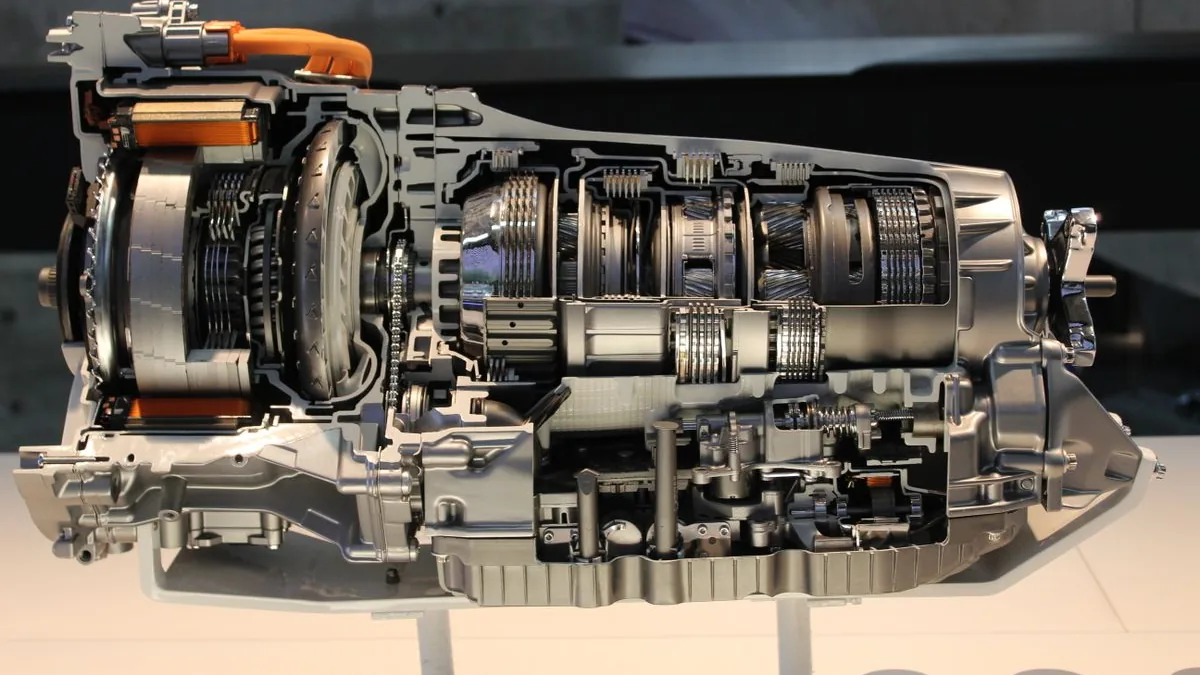
The clearest signs are a clutch that slips when you accelerate, a biting point that has crept high up the pedal, juddering as you pull away, a spongy or sticky pedal, difficulty selecting gears, and a hot burning smell. A worn clutch almost never fails overnight — it gives you weeks, sometimes months, of those small warnings first. Catch them early and you might only need a minor adjustment or a modest repair. Ignore them and you risk being stranded, facing a full replacement, or damaging the flywheel as well.
What are the main warning signs a clutch is failing?
The clearest signs are a clutch that slips when you accelerate, a biting point that has crept high up the pedal, juddering as you pull away, a spongy or sticky pedal, difficulty selecting gears, and a hot burning smell. The AA lists slipping, a spongy or sticky pedal, difficulty changing gears and a burning smell among the classic symptoms (AA: clutch problems).
Any one on its own is worth watching. Two or more together strongly hints that the friction plate, the hydraulics or the release bearing is on the way out. The sections below break down each symptom so you can tell a passing quirk from a genuine problem that needs a clutch inspection.
Why does my clutch slip when I accelerate?
Clutch slip is the single clearest sign that the friction material is worn out. You press the accelerator, the engine revs climb, but the car barely gathers speed to match. It feels as though the power is leaking away somewhere between the engine and the wheels, and that is more or less exactly what is happening.
Slip usually shows up first in higher gears or when climbing a hill under load, because that is when the clutch has to transmit the most torque. A healthy plate grips firmly against the flywheel; a worn one cannot hold, so it slides. Once slip begins it tends to get steadily worse, and the extra friction generates heat that glazes the surfaces and shortens the life of the whole assembly. If your revs and road speed have stopped matching up, arrange a check before the slipping becomes a no-drive situation.
What does a high or spongy biting point mean?
The biting point is where the clutch begins to engage as you lift the pedal. On a healthy car it sits comfortably in the lower-to-middle part of the pedal travel. When that point creeps higher and higher towards the top of the pedal, it usually signals a worn clutch plate with less material left to grip the flywheel cleanly.
A spongy or sticky pedal is a slightly different story. If the pedal feels soft, sinks slowly, sticks, or does not return cleanly, the fault often lies in the hydraulic system rather than the friction plate. A failing master or slave cylinder, or air in the fluid, can all produce that vague, mushy feel. Either way, a biting point that has wandered noticeably from where it used to sit is your car telling you something has changed. It rarely corrects itself, so it pays to have it looked at sooner rather than later.
Why is it suddenly difficult to select gears?
Difficulty selecting gears often gets blamed on the gearbox when the clutch is the real culprit. If the clutch is not fully disengaging when you press the pedal, the input shaft keeps spinning, so the gears grind or refuse to slot home. You will usually notice it most going into first or reverse at a standstill.
A stiff, notchy or baulky change is the classic warning. Sometimes the cause is a worn clutch cable or a hydraulic fault stopping the pedal from travelling far enough; other times the friction plate itself is failing. Because the symptoms overlap with worn gearbox synchros, a proper diagnosis matters. Our team can tell whether you need clutch work or a closer look at the gearbox, which saves you paying for the wrong repair.
What causes a judder when pulling away?
A shudder or judder as you set off from a standstill is one of the most distinctive clutch warnings. Instead of pulling away smoothly the car vibrates or bucks through the first few metres, often easing once you are properly moving. It can feel as though the whole car is hopping, and it tends to be worse when you are carrying passengers or a load.
The usual causes are oil contamination on the clutch plate, worn friction material, or a problem with the flywheel or the engine and gearbox mounts. A leaking crankshaft seal, for example, can drip oil onto the clutch and ruin its smooth engagement. Judder tends to worsen gradually, so what starts as a faint tremble can become a teeth-rattling shudder. Because contamination usually points to an underlying leak, fixing the judder properly often means addressing the source as well as the clutch itself.
Should I worry about a burning smell from the clutch?
Yes. A hot, acrid burning smell, often compared to scorched paper or overheated brakes, is a sign the clutch is overheating from excessive slip. It happens when the friction surfaces rub without fully gripping, generating intense heat that bakes the material. You will most often catch it after a hill start, in heavy traffic, or when towing.
An occasional whiff during a tricky manoeuvre is not always cause for alarm, but a strong or repeated smell means the clutch is wearing fast. The AA warns that even slight, constant pedal pressure partially disengages the clutch and causes the release bearing, pressure plate and flywheel to overheat (AA: clutch problems). Once the friction material overheats it can glaze over and lose grip permanently. If you notice burning alongside any slip or a high biting point, treat it as a clear prompt to get the clutch checked.
What causes clutch wear, and why does London stop-start driving wear it faster?
A clutch wears every time the friction plate slips against the flywheel to get you moving, so the more often you pull away and the more you ride the pedal, the faster it goes. Aggressive changes, hill-holding on the clutch, towing and heavy loads all add to the toll. There is no fixed expiry date, only a wear rate set by how the car is driven.
That is why stop-start city motoring is so hard on a clutch. Every set of lights, every queue and every junction means another slip from standstill, and Park Royal, the North Circular and the surrounding NW10 streets serve up plenty of all three. The AA notes that clutches last up to around 80,000 miles or so but wear out more quickly depending on how you drive (AA: clutch problems). The RAC puts the typical range at 50,000 to 100,000 miles, again driving-style dependent (RAC: clutch repairs). Lifespan varies widely, and a car that spends its life crawling through London traffic will usually reach the lower end of that range sooner than a motorway commuter.
A few habits help. Wait in neutral rather than holding the car on a slipping clutch, take your foot fully off the pedal between changes, and use the handbrake on hills instead of balancing on the biting point. None of this makes a clutch last forever, but it can add thousands of miles.
Clutch repair or replacement: which do I need?
It depends on what has actually failed. A sticky pedal, a maladjusted cable or a hydraulic fault can sometimes be put right without pulling the gearbox, which keeps the job small. But once the friction plate is worn or contaminated, replacement is the only real fix, and that means separating the engine and gearbox to reach it.
A full clutch replacement usually renews the clutch disc, pressure plate and release bearing together, and sometimes the flywheel too. The RAC estimates a clutch repair typically costs between £450 and £650 depending on the car (RAC: clutch repairs). Acting early keeps you at the cheaper end. A slipping clutch left to run generates heat that can warp the flywheel and damage the release bearing, turning a straightforward kit swap into a much bigger bill. If you are unsure which camp your car is in, an inspection settles it. You can book a clutch inspection and we will tell you exactly what is needed.
Further reading: Interim vs Full vs Major Car Service: What's the Difference? and What's Included in a Full Car Service?.
Frequently asked questions
How long does a clutch usually last?
It varies hugely with driving style and conditions. The RAC puts the typical range at 50,000 to 100,000 miles (RAC: clutch repairs), while the AA says clutches last up to around 80,000 miles or so but wear faster depending on how you drive (AA: clutch problems). Heavy stop-start city use and towing shorten that considerably.
Can I keep driving with a slipping clutch?
It is not advisable. A slipping clutch worsens quickly and can leave you with no drive, potentially stranding you. Continued slip also generates heat that can warp the flywheel, turning a clutch job into a far costlier repair. It is safer to have it checked as soon as you notice the revs and road speed no longer matching.
Is it the clutch or the gearbox causing my gear problems?
The symptoms genuinely overlap, which is why a proper inspection matters. A clutch that will not fully disengage causes grinding and difficult shifts, but so can worn synchros inside the gearbox. A technician can isolate the cause and tell you exactly which component needs work before any parts are ordered or labour is spent.
Does London traffic really wear a clutch out faster?
Yes. Every pull-away from a standstill slips the friction plate a little, and stop-start city driving means far more of them than open-road motoring. The AA confirms clutch life depends heavily on how and where you drive (AA: clutch problems). Cars used mainly around Park Royal and the North Circular tend to need attention sooner.
How much does ignoring clutch warning signs cost?
Acting early can mean a simple adjustment or a single-component repair. Leaving it can mean a complete replacement plus knock-on damage to the flywheel, release bearing or gearbox. With the RAC estimating a clutch repair at £450 to £650 (RAC: clutch repairs), the extra parts a delay adds only push that higher.
Noticed any of these warning signs on your own car? Do not wait for the clutch to fail completely. The team at Park Royal Tyre & Alignment Centre, an RAC and AA approved garage in Park Royal, NW10 7TR, can diagnose the problem accurately and tell you exactly what needs doing. Call us on 020 3886 2355, send a WhatsApp to 07476 586 589, or book your clutch inspection online. Walk-ins are welcome at our Park Royal workshop, with same-day inspections and no appointment needed.
Clutch Repair near you
Prefer to get this sorted locally? Park Royal Tyre & Alignment Centre looks after drivers right across West and North-West London:
Same-Day Tyre Fitting & Walk-Ins Welcome
New tyres fitted from £35 while you wait, plus puncture repairs, wheel balancing and battery replacement at our Park Royal workshop. No appointment needed for tyres, just call in.