Gearbox Problems: Warning Signs for Manual and Automatic


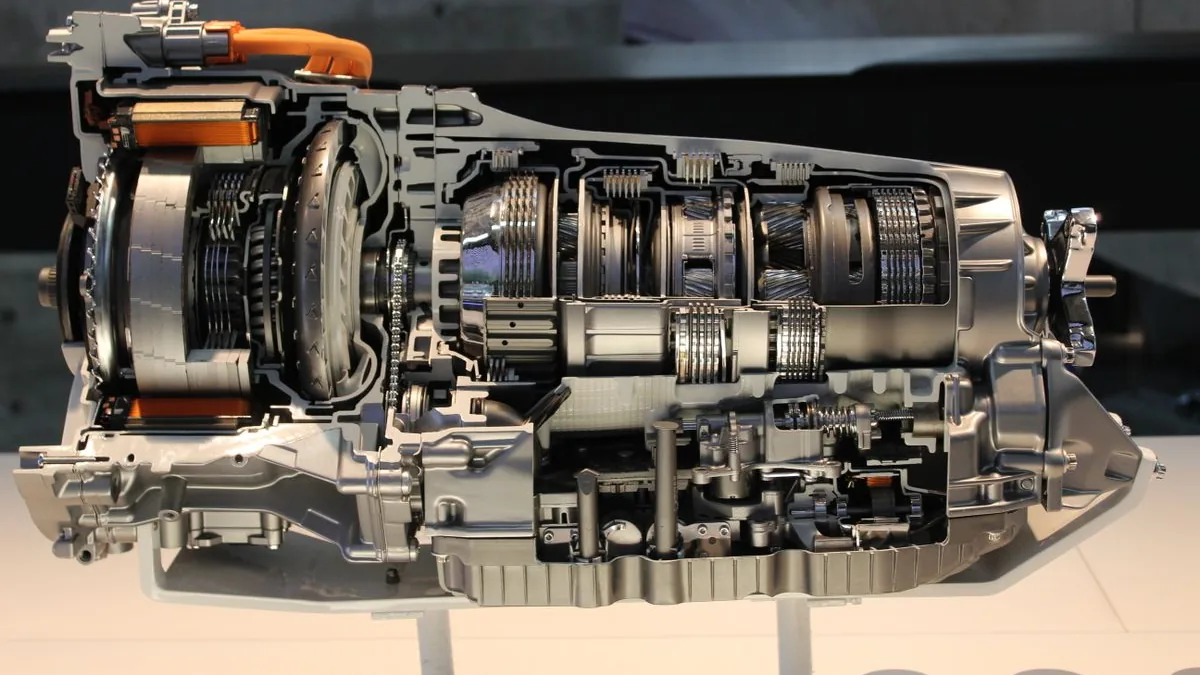
The clearest gearbox warning signs are whining or humming that rises with road speed, grinding or crunching when you change gear, slipping out of gear, delayed or harsh automatic shifts, a burning smell, leaking fluid and a transmission warning light. Any one of these means it is time to have the gearbox checked before a small fault becomes an expensive rebuild.
Key takeaways
- Whining, humming and grinding noises are usually the earliest signs of gearbox wear or low lubrication.
- A slipping gearbox, where revs climb but the car does not accelerate, should never be ignored.
- Automatics warn you differently: delayed engagement, harsh shifts and juddering point to fluid or internal wear.
- Old, dark or contaminated gearbox fluid is behind a large share of rough-shifting complaints.
- Catching a gearbox fault early is almost always far cheaper than a full replacement.
Whining, humming or grinding noises from the gearbox
Unusual gearbox noise is one of the most reliable early warnings that something is wearing. A whine that rises and falls with road speed, a hum that changes pitch between gears, or a grinding sound as you shift all point to worn bearings, worn gear teeth or low lubrication that needs investigating before it spreads.
Where and when the noise appears is the clue. A whine that tracks road speed usually comes from bearings or gears inside the case. A rumble present in neutral with the clutch pedal up can indicate input-shaft bearing wear. A noise that only appears in one gear points to that specific gear set. None of these get better on their own, so an early inspection and a fluid check are the sensible first steps.
Grinding or crunching gears when you shift
A crunch or grind as you move the lever means the gears are not meshing cleanly. In a manual this often points to a worn clutch that is not fully disengaging, tired synchromesh, or low and contaminated gearbox oil. A crunch only into reverse, which has no synchro on many cars, is common and less alarming than baulking across several gears.
The RAC lists grinding noises from the gearbox and difficulty shifting among the classic symptoms of a worn or slipping clutch (RAC: slipping clutch guide). Forcing a stiff gear rarely helps and can accelerate the damage, so it is worth diagnosing the cause rather than driving around it.
Slipping out of gear or over-revving
A gearbox that jumps out of gear, or where the engine revs climb without the car speeding up to match, is a serious symptom you should act on quickly. The RAC describes this as unusually high RPMs when accelerating as the gear slips out, a hallmark sign of a worn clutch or worn gearbox components (RAC: slipping clutch guide).
In a manual, slipping usually points to a worn clutch or worn selector parts. In an automatic it can mean low or degraded fluid, worn internal clutches, or a control fault. Either way, slipping wastes fuel, generates damaging heat and causes rapid internal wear, so it tends to get worse fast. If your car feels like it is freewheeling under acceleration, book it in promptly rather than waiting for it to fail completely.
Delayed engagement or harsh shifts on an automatic
On an automatic, a long pause before the car moves after you select Drive or Reverse, or shifts that arrive with a thud, jolt or shudder, usually point to low or degraded transmission fluid or wear inside the gearbox. A modern automatic should change smoothly and almost imperceptibly, so any harshness is worth investigating early.
Juddering and flaring
A shudder as the car pulls away, or the revs flaring between gears, are classic signs an automatic needs checking. The AA explains that when an automatic judders on pulling away, contamination of the transmission fluid or worn friction plates may be the cause, while in manuals worn bearings or damaged gears can create a similar feeling (AA: why a car judders). Because many of these faults start with old or low fluid, an accurate diagnosis is the first step before assuming the worst.
Burning smell or leaking gearbox fluid
A burning smell and fresh fluid under the car are two warnings you should never leave unchecked. The RAC lists a strong, burning smell coming from the gearbox as a symptom of a clutch that is overheating and wearing out (RAC: slipping clutch guide). On an automatic, a similar smell often means the fluid itself is overheating.
Reddish automatic transmission fluid or dark gear oil pooling where you park signals a leaking seal or gasket. A gearbox starved of lubricant overheats and wears rapidly, turning a simple seal repair into a major rebuild if it is left. Look for fresh drips, check for a burnt smell from the fluid, and have any leak traced early. Our technicians can identify the source, replace the worn seal or gasket, and refill with the correct specification fluid.
The gearbox or transmission warning light
A dedicated transmission warning light, or a check-engine light triggered by a gearbox sensor, means the control unit has logged a fault and wants attention. Modern automatics and dual-clutch boxes are heavily electronic, so the system can detect slipping, overheating or a failing sensor and may put the car into a protective limp mode before you notice any change in feel.
Do not ignore the light just because the car still drives. A stored fault code is often the cheapest, earliest warning you will get, and reading it accurately points straight to the cause, whether that is a sensor, low fluid pressure or genuine internal wear. Driving on in limp mode risks turning a minor electronic fault into mechanical damage.
Manual vs automatic vs DSG: how the symptoms differ
Different gearboxes fail in different ways, so the warning signs differ too. Manuals are closely tied to the clutch, so many so-called gearbox symptoms are actually clutch problems. Traditional automatics and dual-clutch boxes depend heavily on clean fluid and electronic control, so fluid condition and smooth shifting matter most on those.
The AA notes that a twin-clutch automatic, the DSG-style design, uses two separate clutches, one for the odd-numbered gears and one for the evens, pre-selecting the next gear for near-seamless shifts, while a CVT uses belts and pulleys instead of fixed gears (AA: manual vs automatic). That extra complexity is why symptoms vary by type:
- Manual: crunching, a high biting point and baulking gears usually point to the clutch or selectors.
- Traditional automatic: delayed engagement, harsh shifts and slipping most often relate to fluid condition or internal wear.
- DSG or dual-clutch: jerky low-speed shifts, hesitation or shuddering frequently trace back to the clutch packs, the mechatronic unit or overdue fluid.
Whatever you drive, an accurate diagnosis saves money. We carry out professional gearbox repairs for manual, automatic and DSG vehicles, restoring smooth, reliable shifting.
Why gearbox fluid matters more than most drivers think
Gearbox fluid does far more than lubricate. It cools the internals, carries away wear particles and, in an automatic, provides the hydraulic pressure that actually engages the gears. When it becomes old, dark or contaminated it cannot do those jobs, which is why the AA links transmission fluid contamination directly to juddering and rough shifting in automatics (AA: why a car judders).
Both manual and automatic gearboxes use fluid that degrades over time, and manufacturers set a change interval in the handbook for a reason. On many automatics and DSG boxes, a correct fluid and filter service can resolve rough or delayed shifts before any parts need replacing. Using the exact specification your gearbox requires matters, as the wrong fluid can cause the very symptoms you are trying to cure. If you are unsure whether yours is due, ask us to check it against your handbook.
Diagnose early to avoid a bigger bill
Gearbox faults rarely improve on their own, and the cost gap between an early fix and a late one is large. The AA ranks clutch faults among the most common problems its inspectors find in used cars, with an average repair cost of £600 to £800, and warns that a worn clutch can eventually leave a car undrivable (AA: common used-car problems). Catching the fault while it is still a fluid service or a single worn part is almost always cheaper than a rebuild.
For drivers across Park Royal and West London, an early diagnosis is quick and inexpensive compared with the alternative. As an RAC and AA approved garage in Park Royal, NW10 7TR, we diagnose the fault first, explain what we find and give you a clear, transparent quote before any work starts. Walk-ins are welcome at our Park Royal workshop, with no appointment needed for a same-day diagnosis. Book a gearbox check and get an honest answer before the problem grows.
Further reading: Interim vs Full vs Major Car Service: What's the Difference? and What's Included in a Full Car Service?.
Frequently asked questions
Can I keep driving with a slipping gearbox?
It is not advisable. A slipping gearbox generates heat and wears internal parts quickly, so continuing to drive usually makes the repair larger and more expensive. If your car slips out of gear or over-revs without accelerating, have it inspected as soon as you can rather than risking a sudden loss of drive.
How much does a gearbox or clutch repair cost?
It depends on the fault, your vehicle and whether it needs a repair, a fluid service or a rebuild. The AA puts the average clutch repair at around £600 to £800 (AA: common used-car problems). Many problems are caught early and fixed for less, and we always diagnose first and quote clearly before any work begins.
Does gearbox fluid really need changing?
Yes. Both manual and automatic gearboxes use oil or fluid that degrades over time, and your handbook sets a change interval for it. Fresh fluid of the correct specification can resolve rough or delayed automatic shifts and helps protect the internals. Ask us if yours is due and we will check it against your car's schedule.
Is a juddering automatic always a major problem?
Not always. The AA notes that juddering in an automatic can stem from contaminated transmission fluid or worn friction plates (AA: why a car judders). When it is the fluid, that is a relatively inexpensive fix if caught early. The important thing is to diagnose it promptly before the wear spreads to costlier internal components.
What is different about a DSG or dual-clutch gearbox?
A DSG uses two clutches, one for odd gears and one for even, to pre-select and swap gears almost seamlessly (AA: manual vs automatic). That complexity means symptoms like low-speed jerkiness, hesitation or shuddering often trace to the clutch packs, the mechatronic unit or overdue fluid, so accurate diagnosis matters even more.
Noticed any of these gearbox warning signs? Do not wait for it to get worse. Call Park Royal Tyre & Alignment Centre on 020 3886 2355, message us on WhatsApp at 07476 586 589, or book online for an honest gearbox diagnosis. We are RAC and AA approved and work on manual, automatic and DSG vehicles.
Gearbox Repairs near you
Prefer to get this sorted locally? Park Royal Tyre & Alignment Centre looks after drivers right across West and North-West London:
Same-Day Tyre Fitting & Walk-Ins Welcome
New tyres fitted from £35 while you wait, plus puncture repairs, wheel balancing and battery replacement at our Park Royal workshop. No appointment needed for tyres, just call in.