Interim vs Full vs Major Car Service: What's the Difference?


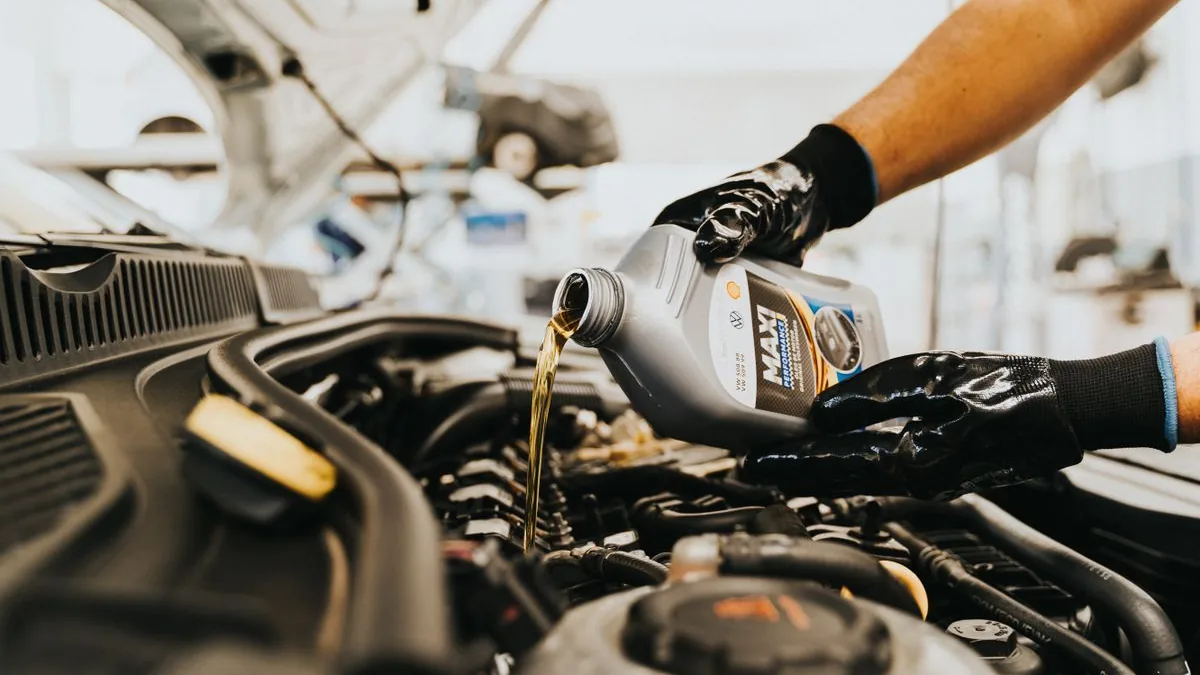
The difference comes down to depth and timing. An interim service is a light, frequent safety and fluids check, carried out roughly every 6 months or 6,000 miles. A full service is a thorough annual inspection at around 12 months or 12,000 miles. A major service adds slower-wearing parts on a longer cycle, usually every two years or 24,000 miles.
What is the difference between an interim, full and major service?
The three service levels differ mainly in how many items are checked and how often they are due. An interim service is the lightest and most frequent, a full service is the annual benchmark most drivers follow, and a major service is the deepest visit, adding longer-life components that only need attention every couple of years.
Think of it as a tiered system. Interim keeps fast-wearing parts and fluids in check between bigger visits. Full covers the complete list of routine checks that protect your engine, brakes and suspension over a year. Major resets the whole maintenance clock, replacing items like the fuel filter, spark plugs and pollen filter that quietly wear out over time.
- Interim service: a short safety and fluids check, typically every 6 months or 6,000 miles.
- Full service: a comprehensive annual service, typically every 12 months or 12,000 miles.
- Major service: a full service plus longer-life items, often every two years or 24,000 miles.
- The right choice: depends on mileage, age and how you drive, not just the calendar.
What is an interim service and how often do you need one?
An interim service is a lighter check designed to keep your car safe between annual services. It typically falls every 6 months or 6,000 miles, whichever comes first, according to RAC guidance (RAC: how often to service your car). The work focuses on fast-wearing items and fluids.
It suits high-mileage drivers and anyone covering long motorway runs or short stop-start city trips. The AA suggests an extra interim service every 6 months for drivers clocking more than 2,000 miles a month (AA: how often to service your car). An interim service usually includes an oil and filter change, plus checks on brakes, tyres, lights, steering and key fluid levels.
Think of it as a regular health check rather than a deep service. If you drive far more than the UK average each year, an interim visit keeps your oil fresh and your safety items monitored twice as often. You can read more about what we cover on our car servicing page.
What is a full service and why is it the annual standard?
A full service is the comprehensive annual inspection most drivers rely on. It typically happens every 12 months or 12,000 miles, whichever comes sooner. It includes everything in an interim service and adds a longer list of checks, covering more components and more detailed inspection of the engine, brakes and suspension.
This is the visit that keeps a manufacturer-style maintenance record intact. Car makers usually recommend a service every 12,000 miles or every year, whichever comes first, which is why the annual full service has become the benchmark (AA: how often to service your car). It typically covers the oil and filter, air filter, a thorough brake inspection, and testing of fluids and the cooling system.
What does a full service typically include?
- Engine oil and oil filter replacement.
- Air filter inspection or replacement.
- Detailed brake check, including pads, discs and lines.
- Steering, suspension and wheel checks.
- Top-up and inspection of all major fluids, including coolant and power steering.
- Exhaust system inspection for leaks or damage.
- Battery, lights, wipers and tyre condition review.
An annual full service is the sensible baseline for the average UK driver. It balances cost against thoroughness and helps protect resale value, because a complete, stamped history reassures the next buyer that the car has been looked after properly.
What is a major service and when is it worth it?
A major service is the most thorough option, building on the full service with extra, longer-life parts. It typically falls every two years or 24,000 miles. The added items are things that wear slowly but cost more to replace, so they are grouped together on a longer cycle to keep maintenance efficient and predictable.
On top of the full service work, a major service often replaces the fuel filter, spark plugs on petrol engines, the cabin pollen filter and sometimes brake fluid. These parts do not need annual attention, but skipping them for too long can hurt performance, economy and cabin air quality. A major service brings everything back up to spec in one visit, which is why many drivers time it to coincide with their second-year service.
When should the cambelt and other major items be replaced?
The cambelt, or timing belt, sits outside the normal service schedule and follows its own interval. The RAC advises replacement every 50,000 to 100,000 miles, or every 5 to 10 years, whichever comes first, with the exact figure set by your car's handbook (RAC: timing belt replacement).
Timing matters because a cambelt ages whether or not you drive. A 10-year-old belt with low mileage can be just as likely to fail as one that has covered 100,000 miles in five years. If the belt snaps, the pistons and valves can collide, causing severe and expensive engine damage. Replacing it on schedule is far cheaper than repairing the aftermath.
A service is not the same as an MOT, and neither replaces the other. An MOT is a legal requirement once your car is three years old, checking roadworthiness and safety, while servicing is about preventive maintenance and is not legally required (GOV.UK: getting an MOT). A well-timed service, however, often catches issues that would otherwise fail an MOT.
Which service do you actually need?
The right choice depends on your mileage, your car's age and how you drive. As a general rule, low-mileage drivers manage well on a yearly full service, while high-mileage drivers benefit from adding interim services in between. A major service makes sense when those longer-life parts are due, and the cambelt is tracked separately by age and miles.
Ask yourself three questions. How many miles do you cover a year? When was your last service and what type was it? And does your handbook or service history flag anything specific, such as a cambelt due? If you are unsure, our team can check your history and recommend the right level. Just get in touch and we'll talk it through.
A simple way to decide
- Below average mileage: an annual full service is usually enough.
- Above average mileage: add an interim service halfway through the year.
- Longer-life parts overdue: book a major service to reset the cycle.
- Cambelt due by age or miles: schedule it separately, ideally alongside a service.
Why do OE-grade parts and fluids matter at every service?
The quality of parts and fluids decides how much value a service really delivers. Using OE-grade filters, oils and components means they match the specification your manufacturer intended. That protects performance, economy and engine longevity, rather than trading short-term savings for long-term wear.
Oil grade is a good example. The wrong viscosity can affect cold starts, fuel economy and engine protection under load. The same logic applies to filters and brake parts, where fit and material quality matter. We use quality, manufacturer-matched parts and fluids so your service record stays meaningful and your warranty stays protected where applicable. As an RAC and AA approved garage in Park Royal, West London, we keep the standard high whether you visit us for an interim check or a full major service.
Further reading: 7 Signs Your Brakes Need Attention and When Should You Replace Your Tyres? Key Signs to Watch.
Frequently asked questions
How often should I service my car?
It depends on mileage and driving style. As general guidance, a full service is typically due every 12 months or 12,000 miles, with an interim service every 6 months or 6,000 miles for higher-mileage drivers. Always check your handbook, as some models have their own recommended intervals.
Can I just get an interim service instead of a full one?
You can, but it is not a like-for-like swap. An interim service checks fewer items and is meant to sit between full services, not replace them. For most drivers, an annual full service remains the baseline, with interim visits added in between for extra peace of mind.
Is a cambelt change part of a normal service?
No. The cambelt follows its own interval, usually every 50,000 to 100,000 miles or 5 to 10 years, and is quoted as a separate job. It is not automatically included in interim, full or major servicing, so check your handbook or ask us to confirm when yours is due.
Does servicing affect my car's warranty?
It can. Many manufacturer warranties require servicing on schedule using parts and fluids that meet the correct specification. Keeping a complete, stamped service history and using OE-grade parts helps protect that cover. If your car is under warranty, check the handbook for the exact intervals and requirements.
Is a service the same as an MOT?
No. An MOT is a legal annual roadworthiness test from your car's third birthday, while a service is preventive maintenance that is not legally required. They complement each other, and a service booked around the same time often prevents avoidable MOT failures.
Not sure which level your car needs? Book your service online, call Park Royal Tyre & Alignment Centre on 020 3886 2355, or message us on WhatsApp at 07476 586 589. Visit our workshop at Park Royal, London NW10 7TR and we'll check your history, explain your options clearly, and book you in for the right service with quality parts and fluids. Walk-ins are welcome too, with same-day slots often available for common jobs.
Car Servicing near you
Prefer to get this sorted locally? Park Royal Tyre & Alignment Centre looks after drivers right across West and North-West London:
Same-Day Tyre Fitting & Walk-Ins Welcome
New tyres fitted from £35 while you wait, plus puncture repairs, wheel balancing and battery replacement at our Park Royal workshop. No appointment needed for tyres, just call in.