7 Signs Your Brakes Need Attention


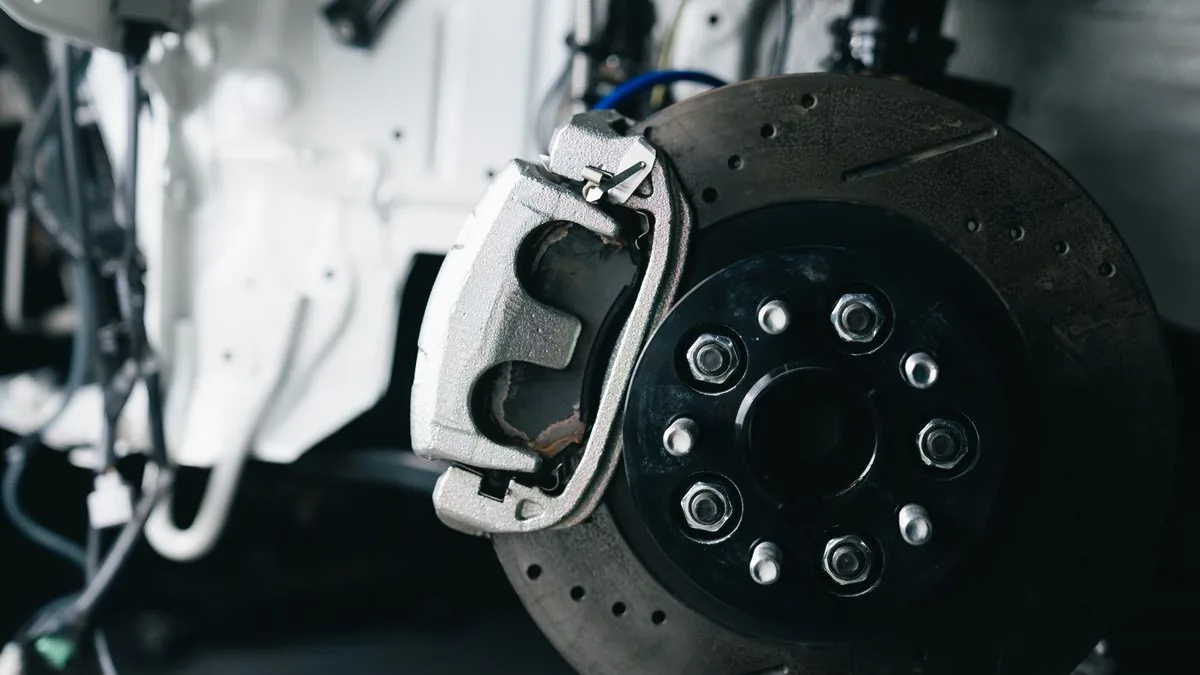
The seven signs are squealing or grinding when you brake, a soft or spongy pedal, vibration through the pedal or steering wheel, the car pulling to one side under braking, longer stopping distances, the brake warning light, and a burning smell after braking. A high-pitched squeal is usually first: many pads carry a built-in metal wear indicator designed to squeak as a warning. If that squeal turns to harsh grinding, the friction material has gone and metal is scraping your discs — stop driving and get it checked.
Key takeaways
- Squealing, grinding, a spongy pedal and vibration are the most common early warning signs of worn or faulty brakes.
- A dashboard brake light, a strong burning smell or noticeably longer stopping distances should never be ignored.
- Catching problems early usually means replacing pads alone rather than pads, discs and callipers together.
- Park Royal Tyre & Alignment Centre is RAC and AA approved, and every brake job starts with a proper inspection.
1. Squealing or grinding noises when you brake
A high-pitched squeal as you press the pedal is usually the first sign your brake pads are wearing thin, because many pads have a built-in metal wear indicator designed to squeak as a warning. If that squeal turns to harsh grinding, the friction material has gone and metal is scraping your discs.
Grinding means fresh damage happens every time you brake. Left alone, you will cut deep grooves into the discs and turn an affordable pad change into a far bigger repair. If you hear grinding, drive as little as possible and book in quickly. Our brake pads and disc service covers inspection and replacement in a single visit.
In Park Royal's stop-start traffic, pads work harder than on open roads, so West London drivers often wear them faster than the mileage alone suggests. Any new noise from the brakes is worth checking sooner rather than later.
2. A soft or spongy brake pedal
If the pedal sinks further than usual or feels soft and spongy underfoot, the fault is usually in the hydraulic system rather than the pads. Air trapped in the brake lines, a fluid leak, or moisture-contaminated brake fluid can all make the pedal feel vague and reduce how firmly and quickly your brakes respond.
A healthy pedal should feel firm and predictable within the first inch of travel. A spongy one is a clear signal that fluid pressure is not being delivered properly, and hydraulic faults can worsen suddenly rather than gradually. This is one to check urgently. A brake fluid inspection, bleed or renewal usually restores a crisp, confident pedal.
3. Vibration through the pedal or steering wheel
A pulsing or juddering felt through the brake pedal, and sometimes the steering wheel, usually points to warped or unevenly worn discs. When discs distort, often after heat build-up from heavy or prolonged braking, their surface is no longer perfectly flat, so the pads grip an uneven face and send vibration back through the car.
You will usually feel it most when braking from higher speeds, such as coming off the A40 or the North Circular. A slight vibration can sometimes be machined out, but badly warped discs normally need replacing in pairs to keep braking balanced. A quick measurement during a brake check tells us whether skimming or replacement is the right call.
4. Your car pulls to one side when braking
If your car veers left or right every time you brake, the two sides are not gripping equally. The usual culprits are a sticking calliper, uneven pad wear, a seized slider pin, or a partial fluid problem affecting one wheel. Whatever the cause, the result is reduced control at exactly the moment you need it most.
Pulling is unsettling and genuinely unsafe, especially in the wet or in heavy traffic, because it forces you to correct the steering mid-stop. Since the fault varies from wheel to wheel, a proper inspection is the only reliable way to identify which component is sticking or worn. Ignoring it tends to accelerate uneven wear elsewhere.
5. Longer stopping distances than normal
If your car takes noticeably longer to pull up than it used to, your braking system is losing its bite. Worn pads, glazed discs, contaminated fluid or a slow leak can all reduce stopping power, and this is among the most dangerous symptoms because you may only discover it in an emergency, when every metre matters.
The typical stopping distance at 70mph is already 96 metres, roughly the length of a football pitch, split between around 21 metres of thinking distance and 75 metres of braking (AA: stopping distances). That 75-metre braking distance makes up nearly 80 per cent of the total, so anything that lengthens it has an outsized effect on whether you stop in time (RAC: stopping distances).
Conditions make this worse. Under the Highway Code, the gap you leave should be at least doubled on wet roads and up to ten times greater on icy roads (The Highway Code, rules 103 to 158). Tired brakes plus a wet West London commute is a poor combination, so if stopping feels slower, book an inspection rather than waiting and hoping it settles.
6. The brake warning light on your dashboard
When a brake-related warning light appears on your dashboard, the car is telling you something needs attention now. Depending on the exact symbol, it can signal low brake fluid, a worn pad sensor, a handbrake fault or an ABS problem. None of these should be dismissed as a passing electrical glitch.
Check first that your handbrake is fully released, because a partly engaged lever can trigger the light. If it stays on, get the system scanned promptly. Brakes are also one of the defect categories the DVSA records in its published MOT test data, so a warning light left unaddressed is an easy way to fail (GOV.UK: MOT testing data). A routine car service often catches these faults before the light ever appears.
7. A burning smell after braking
A sharp, acrid burning smell after braking hard or driving down a long hill usually means the brakes are overheating. Common causes include a binding calliper, a handbrake left partly on, or simply riding the pedal on a descent. Overheated brakes lose effectiveness, a dangerous condition known as brake fade.
If you notice the smell, pull over safely and let the brakes cool. A faint odour on a steep hill can be normal, but a strong smell during ordinary driving is not, and smoke from a wheel means you should stop immediately. Persistent burning needs professional attention before you drive any further.
How urgent is each brake symptom?
Not every symptom demands you stop at the roadside, but some do. Grinding metal, a pedal that sinks to the floor, smoke or a strong burning smell, and a red brake warning light all count as urgent, so drive as little as possible and get help. Squealing, mild vibration and a slightly longer stop are pressing but not emergencies.
The practical rule is simple. Anything affecting how the car actually stops, whether that is pedal feel, pulling or stopping distance, should be inspected within days, not weeks, because brake faults only ever get worse. Early attention almost always saves money too, since worn pads caught in time protect the discs and callipers behind them. When in doubt, get it checked.
Further reading: Warning Signs Your Suspension Needs Repair (2026 Guide) and Tyre Tread Depth: The UK Legal Limit and Why It Matters.
Frequently asked questions
How often should I get my brakes checked?
As a guide, have your brakes inspected at least once a year or at every service, whichever comes first. If you drive mostly in heavy city traffic or notice any of the signs above, get them looked at sooner. Regular inspections catch wear early and keep repair costs down.
Can I keep driving with squealing brakes?
A short trip to the garage is usually fine, but do not ignore it. Squealing means the pads are running low. Once the noise becomes grinding, drive as little as safely possible, because metal-on-metal contact damages the discs and turns a routine pad change into a far more expensive repair.
Should brake pads and discs always be replaced together?
Not always. If the discs are still within their minimum thickness and undamaged, you can often replace just the pads. When discs are scored, warped or worn past tolerance, they should be changed alongside the pads. A measurement during inspection tells us exactly what your car needs.
How often should brake fluid be changed?
Most manufacturers recommend renewing brake fluid roughly every two years, because it is hygroscopic and gradually absorbs moisture from the air. Old, water-laden fluid lowers the boiling point and can make the pedal feel spongy under hard braking, which is why a fluid check forms part of a thorough brake service.
Why do my brakes feel fine but the warning light is on?
Brakes can still feel normal while a sensor detects low fluid or thin pads. The light is an early alert, not proof of total failure. Do not wait for symptoms you can feel, as those usually appear once the problem is more advanced. Get the system scanned to be sure.
Worried about any of these signs? Do not leave your brakes to chance. Park Royal Tyre & Alignment Centre in Park Royal, London NW10 7TR is RAC and AA approved, so you get honest, thoroughly inspected work every time. Call 020 3886 2355, message us on WhatsApp at 07476 586 589, or book your brake inspection online today.
Brake Pads and Discs near you
Prefer to get this sorted locally? Park Royal Tyre & Alignment Centre looks after drivers right across West and North-West London:
Same-Day Tyre Fitting & Walk-Ins Welcome
New tyres fitted from £35 while you wait, plus puncture repairs, wheel balancing and battery replacement at our Park Royal workshop. No appointment needed for tyres, just call in.