What's Included in a Full Car Service?


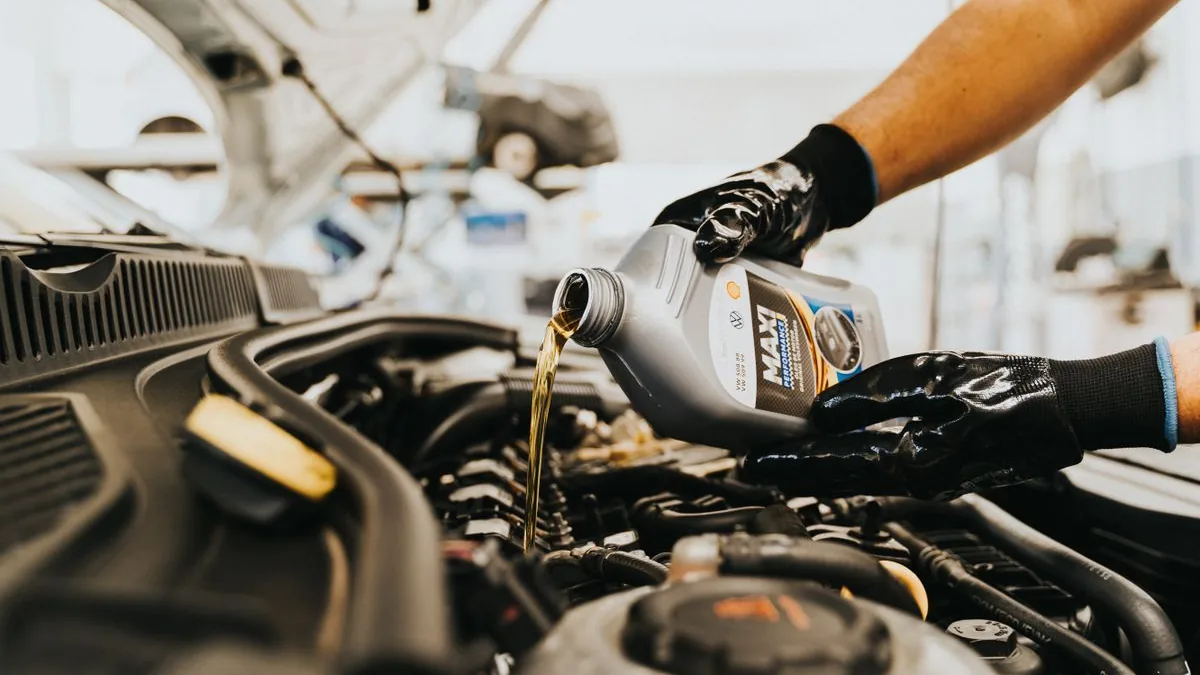
A full car service is the most thorough routine maintenance most vehicles receive. It combines an engine oil and filter change, a check and top-up of every fluid, a close inspection of brakes and tyres, a battery and electrics test, filter replacements and a multi-point safety check, adding up to more than 50 individual checks on many workshop schedules.
What is included in a full car service?
A full service covers fresh engine oil and a new oil filter, replacement of the air, fuel and cabin filters where due, a check and top-up of every fluid, a brake and tyre inspection, a battery and charging test, and a head-to-toe multi-point safety check. Together that runs to around 50 or more separate checks.
The RAC groups a full service into core areas including an oil and filter change, a battery and charging system check, fluid checks and top-ups, a steering and suspension inspection, an exhaust check and an inspection of the wheels, tyres and brakes. It recommends a full service every 12,000 miles or 12 months, whichever comes first (RAC: interim vs full service).
The exact list varies slightly by garage and by manufacturer schedule, but the principle is the same. A full service is planned, preventative maintenance. It is designed to catch wear early and keep your car reliable, rather than to fix a fault you have already noticed.
What does the oil and filter change involve?
The oil and filter change is the heart of a full service. The technician drains the old engine oil completely, removes the used oil filter, fits a new one, then refills with the correct grade of oil for your engine. Fresh oil keeps moving parts lubricated, helps control engine temperature and clears away built-up grime.
Old oil thins and fills with contaminants as the miles add up. Once that happens it lubricates poorly, which lets components wear faster and can shorten engine life. Changing the filter at the same time matters just as much, because a clogged filter can no longer trap the metal and carbon particles that cause internal damage.
Using oil that meets your manufacturer's specification protects both the engine and any warranty. Our car servicing team matches the oil grade and filter to your exact model rather than fitting a one-size-fits-all product, which is one of the details that separates a proper service from a quick oil swap.
Which filters and fluids are replaced or checked?
Beyond the oil filter, a full service replaces the air filter, the cabin pollen filter and, on many models, the fuel filter when they are due. Every fluid is then checked and topped up where needed, including coolant, brake fluid, power steering fluid, clutch fluid where fitted, screen wash and, on some cars, transmission fluid.
Each fluid plays a specific role. Coolant stops the engine overheating, brake fluid lets the brakes respond instantly, and screen wash keeps your view clear in dirty weather. A clean air filter helps the engine breathe and run efficiently, while a fresh pollen filter keeps the cabin air clear and stops the ventilation smelling musty.
Why fluid condition matters as much as level
A fluid can sit at the right level yet still be past its best. Brake fluid attracts moisture over time, which lowers its boiling point and can make the pedal feel soft under heavy braking. Coolant gradually loses its protective additives. That is why a good service looks at colour and condition, not just the reading on the dipstick.
How are the brakes and tyres inspected?
Brakes and tyres are your two biggest safety items, so both get a careful inspection during a full service. The technician checks brake pad and disc thickness, looks for scoring or warping, and examines the brake lines and fluid. Each tyre is then checked for tread depth, uneven wear, sidewall damage and correct pressure.
Brake wear is gradual, so it rarely announces itself until performance has already dropped. Measuring pad and disc thickness shows how much life is left and lets you plan ahead rather than reacting to a grinding noise. If pads are close to the limit, that gets flagged before it becomes a safety risk or damages the discs.
Tyres tell a story too. Patchy or one-sided wear often points to wheel alignment that has drifted, while low tread reduces grip and lengthens stopping distances in the wet. Tread is measured against the legal minimum, and any tyre or alignment work is recommended separately so you can decide with a clear picture and no pressure.
What do the battery, electrics and safety check cover?
The battery and electrical check confirms your car will start reliably and that its key electrics work. The technician tests the battery's charge and condition, inspects the terminals for corrosion, and checks the charging output from the alternator. Lights, indicators, wipers and warning lamps are all confirmed to be working as they should.
Batteries weaken slowly, especially after cold winters and lots of short trips. A battery can seem fine right up until the morning it will not turn the engine over. Testing it as part of a service gives you warning while there is still time to plan a replacement, rather than facing a no-start on the driveway or at the roadside.
The multi-point safety check then covers the suspension and steering, the exhaust system, drive belts and hoses, wipers and washers, all exterior lights and the bodywork around safety-critical areas. A perished hose, a leaking shock absorber or a fraying drive belt can each be spotted on the ramp long before they leave you stranded or trigger a costly knock-on failure.
How does a full service differ from an interim or oil service?
A full service is far more comprehensive than an interim or basic oil service. An interim service focuses on the essentials, an oil service simply changes the oil and filter, while a full service adds fluid, filter, brake, battery, suspension and exhaust checks. The RAC notes an interim typically costs a third to half of a full service (RAC: interim vs full service).
Interim services are aimed at high-mileage drivers and are usually recommended every six months or between annual services, whereas a full service is the yearly cornerstone. The interim keeps the essentials in check between visits, but it does not replicate the deeper inspection and additional filter and fluid work that a full service includes.
It is also worth clearing up a common confusion. A service is not the same as an MOT. The MOT is a legal roadworthiness test, and gov.uk is explicit that the test "does not cover the condition of the engine, clutch or gearbox" (GOV.UK: the MOT test). Servicing exists precisely to look after the mechanical health an MOT leaves out.
Why does a full service protect your warranty and resale value?
A full service protects your warranty because most manufacturer guarantees require the car to be serviced on schedule with the correct parts and fluids. Keeping to that schedule and logging the work is what keeps cover valid. A complete, stamped service history also reassures buyers and supports a stronger resale or trade-in price.
You do not have to use a main dealer to keep the warranty. Under Block Exemption rules, an independent garage can service a car that is still under warranty, provided it follows the manufacturer's servicing schedule and uses genuine or matching-quality parts (What Car?: servicing outside the dealer). Extended warranties can set their own terms, so it is worth reading those carefully.
For drivers around Park Royal and West London, that means you can use a trusted local specialist and still keep your cover intact. As an RAC and AA approved garage in NW10, we service to manufacturer schedules and record every job, so your history stays complete whether you plan to keep the car or sell it on.
What does a full service not cover?
A full service does not cover major repairs or replacement parts beyond filters and consumables. It is a planned maintenance and inspection package, not a repair job. If the inspection finds worn brakes, tyres or a failing component, those are quoted and carried out separately, and only once you have approved the work and the cost.
Diagnostic work sits alongside servicing too. If a warning light is showing, that usually calls for a fault-code scan rather than being part of the routine checklist. You always receive a clear report split into what needs attention now and what to keep an eye on, so nothing is done without your say-so.
Further reading: When to Change Your Brake Pads and Discs and Tyre Tread Depth: The UK Legal Limit and Why It Matters.
Frequently asked questions
How often should I get a full service?
Most cars benefit from a full service once a year, or roughly every 12,000 miles, whichever comes first. Always check your handbook, as some manufacturers set their own intervals. If you cover low mileage but mostly short trips, an annual service is still wise because engine oil ages with time as well as with distance.
Is a full service the same as an MOT?
No. An MOT is a legal test of roadworthiness and emissions, while a service is preventative maintenance. Crucially, the MOT does not check the condition of the engine, clutch or gearbox, so it is not a substitute for servicing. Many drivers book both together to save a second trip.
How long does a full service take?
A full service typically takes from around 90 minutes to a few hours, depending on the vehicle and what the inspection uncovers. If we find work that needs doing, such as worn brakes or a tyre near the limit, we will call you with a quote first. You are welcome to wait or drop the car off.
Will servicing at an independent garage void my warranty?
Not if it is done correctly. Block Exemption rules let an independent garage service a car under warranty, as long as the manufacturer's schedule is followed and the right parts and fluids are used. We service to manufacturer specification and stamp your service book, so your warranty and history stay protected.
What is the difference between an interim and a full service?
An interim service covers the essentials, such as an oil and filter change and basic safety checks, and suits high-mileage drivers between annual visits. A full service adds deeper fluid, filter, brake, battery, suspension and exhaust checks. It is the more thorough package and usually the right choice once a year.
Due a full service, or not sure what your car needs next? Book online or call Park Royal Tyre & Alignment Centre on 020 3886 2355, message us on WhatsApp at 07476 586 589, or visit our Park Royal workshop in NW10. We will tell you exactly what is included before any work begins, and walk-ins are welcome with no appointment needed.
Car Servicing near you
Prefer to get this sorted locally? Park Royal Tyre & Alignment Centre looks after drivers right across West and North-West London:
Same-Day Tyre Fitting & Walk-Ins Welcome
New tyres fitted from £35 while you wait, plus puncture repairs, wheel balancing and battery replacement at our Park Royal workshop. No appointment needed for tyres, just call in.