Part-Worn vs New Tyres: Which Should You Buy?


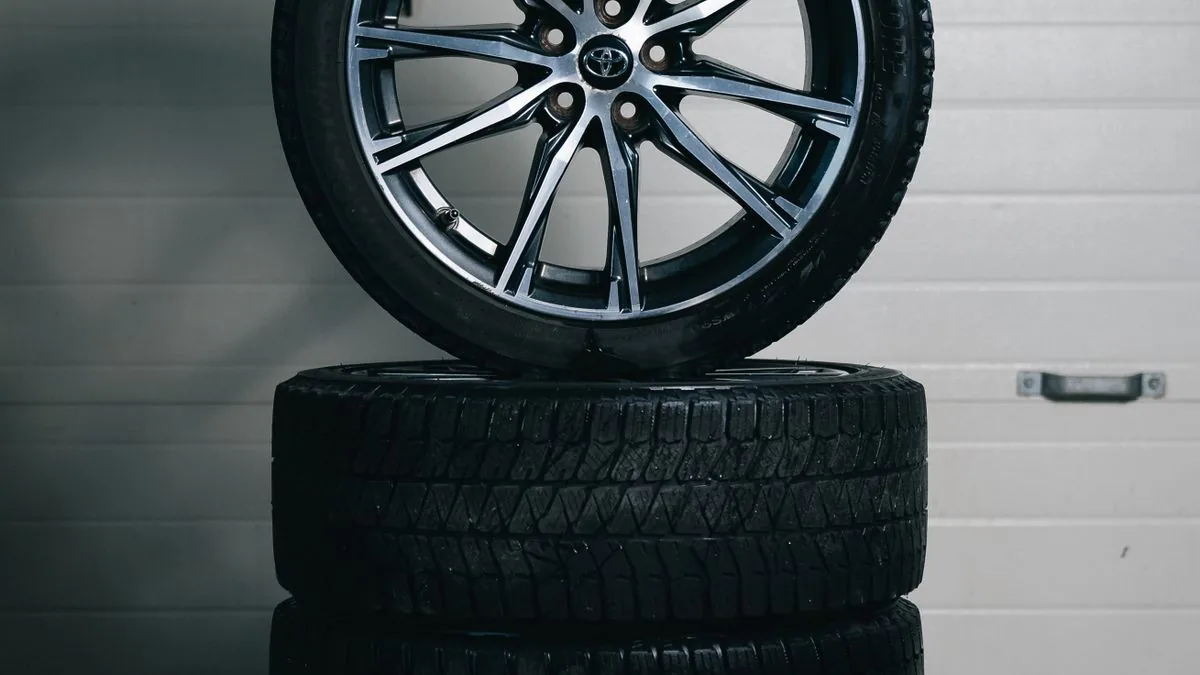
It is a question we hear most weeks at the workshop: are part-worn tyres a clever saving or a false economy? The honest, safety-first answer is that for the vast majority of drivers a new tyre is the better buy. Once you measure cost against usable tread, and weigh the very real risk of hidden damage, the used bargain usually costs more and protects you less. There are narrow exceptions, and we will be straight about those too, but tyres are the one component touching the road, and a saving that fails you in the wet is no saving at all.
So which is better overall, part-worn or new?
For nearly every driver, a quality new tyre wins. It arrives with full tread, a known history and an undamaged casing, so it lasts longer, grips better and removes the guesswork. Part-worns can be sold legally, but the market is riddled with unsafe stock, and the price advantage is thinner than it looks.
Before we get into the detail, here is the short version worth remembering:
- Part-worns are legal to sell in the UK, but only if marked and inspected to a strict standard.
- Investigations repeatedly find the large majority of part-worns on sale are being sold illegally or unsafely.
- A part-worn often carries far less usable tread than a new tyre, so cost per millimetre can be higher.
- Hidden internal damage, old repairs and ageing rubber are extremely hard to spot on a used tyre.
- At Park Royal a new tyre can be fitted from £35, which closes much of the price gap people assume exists.
What exactly is a part-worn tyre?
A part-worn is simply a used tyre being sold on for further service, and the crucial thing to understand is that its history is largely invisible to you. They come from written-off vehicles, cars scrapped for unrelated faults, or bulk imports from overseas where tyres are swapped earlier. Condition varies enormously from one to the next.
That uncertainty is what separates a part-worn from a new tyre. A new tyre arrives with a known specification, full tread and no past life. A part-worn might have spent years on a car, sat in a damp warehouse, or survived a kerb strike you will never know about. Some are perfectly serviceable. Many are not. The trouble is telling them apart from the outside, which even experienced fitters cannot always do with certainty.
What does UK law actually require for part-worns?
Selling part-worns is legal, but the standards are strict and exist for good reason. Each tyre must be permanently and legibly marked PART WORN in letters at least 4mm high, carry at least 2mm of tread across its full breadth and whole circumference, and must never be passed off as new, according to Trading Standards guidance.
The rules go further. A part-worn must be free from any cut longer than 25mm or 10% of the tyre width that reaches the cords, and free from any internal or external lump, bulge or tear caused by structural failure, as set out by Trading Standards. Supplying tyres that breach these standards is a criminal offence. Here is the practical takeaway: if a part-worn is not correctly marked, the seller has already skipped a rule you can see, so trust their invisible safety checks even less.
How many part-worns on sale are actually illegal?
Alarmingly high numbers, which is the single strongest argument against buying them casually. When TyreSafe inspected part-worns on sale, it found that 94% were being sold illegally, and of 278 retailers investigated, 93% were non-compliant. Worse, more than 63% of the tyres were judged unsafe to return to the road.
The detail behind those headline figures is sobering. According to TyreSafe's part-worn tyre guidance, 22% of the part-worns inspected were ten years or older, and many showed incorrect repairs, exposed cords or evidence of being run under-inflated. These are not fringe problems affecting the odd rogue trader. They describe the mainstream of the part-worn market. When the majority of stock in a category fails an independent safety inspection, buying blind is a genuine gamble with your family in the car.
What are the hidden risks you cannot see?
The biggest danger with a part-worn is the damage that stays invisible until it fails. A tyre can look healthy from the outside while hiding internal structural harm from a previous impact, a botched plug repair, or a slow puncture run flat. Once the casing is compromised, the tyre can let go without warning.
That kind of failure tends to strike at speed, when the tyre is hot and heavily loaded, which is exactly when a blowout is hardest to control. Age is the other quiet issue. Rubber hardens over the years whether a tyre is driven or not, so an old part-worn may have plenty of tread yet noticeably less grip. There is no reliable way for a buyer to know how a used tyre was stored, inflated or driven. With a new tyre, none of that guesswork applies, and that certainty is a large part of what you are paying for.
Does new really work out cheaper per mile?
Usually, yes, once you stop comparing sticker prices and start comparing usable tread. New tyres arrive with around 8mm of tread; a part-worn can be sold with as little as 2mm, and the legal limit for use is 1.6mm. So a part-worn may offer only a sliver of legal life before you are back paying for another fitting.
Put numbers to it and the shine comes off. TyreSafe advises judging value by the cost per millimetre of usable tread rather than the ticket price (TyreSafe: part-worn tyres). Only the tread above 1.6mm is usable, so a part-worn with a few millimetres left can cost more per usable millimetre than a new tyre. Add a second fitting charge, more time off the road, and a slimmer wet-weather safety margin, and the cheaper ticket often costs more across the life of the car.
Safety scales the same way. TyreSafe notes a tyre worn to 1.6mm can take almost 12 metres longer to stop in the wet from 50mph than a new tyre, according to TyreSafe's part-worn tyre guidance. To compare like for like, browse full-tread options on our car tyres page or see the wider tyre range, then weigh real mileage against any used quote.
When might a part-worn tyre make sense?
There are a few narrow cases where a properly inspected part-worn is defensible, and it is only fair to name them. If you are nursing a car towards scrappage in a month or two, or you have damaged a single tyre in an unusual size and need a temporary match while a new one is ordered, a correctly marked used tyre can bridge the gap.
Even then, caution pays. Only buy from a seller who marks tyres correctly, inspects them openly in front of you, and lets you see the tread and condition before fitting. Ask where the tyre came from and how old it is; a date code that reads vague or evasive answers tell you plenty. A genuine short-term fix is one thing. Relying on an unknown used tyre as your main rubber for years is a bet we would not place with our own vehicles.
What we recommend at Park Royal
For the overwhelming majority of drivers, we recommend a quality new tyre over a part-worn. Full tread depth, a known history and a fresh casing give you more miles, better wet grip and real peace of mind, usually at a lower true cost per mile. At Park Royal Tyre & Alignment Centre a new tyre can be fitted from £35, fully fitted and balanced.
That said, we will always give you an honest answer for your situation rather than a sales pitch. If a part-worn genuinely suits a soon-to-be-scrapped car, we will say so. If your tyre can be safely repaired instead of replaced, we will do that instead. As an RAC and AA approved garage, our job is the safest sensible spend for your car, not the biggest one. When you are ready, book an appointment and we will take a proper look.
Further reading: 4x4 and SUV Tyres: How to Choose the Right Set and When Should You Replace Your Tyres? Key Signs to Watch.
Frequently asked questions
Is it illegal to sell part-worn tyres in the UK?
No, selling part-worns is legal, but it is tightly regulated. Each tyre must be permanently marked PART WORN in 4mm lettering, retain at least 2mm of tread across its full breadth, and be free from cuts to the cord, bulges and exposed structure. Tyres failing these standards cannot lawfully be sold, and supplying them is a criminal offence.
How can I tell if a part-worn tyre is safe?
Check for the permanent PART WORN marking, confirm at least 2mm of tread all the way round, and look for cuts, bulges, repairs and the age from the date code. The honest catch is that internal damage and hardened rubber cannot be seen from outside, which is the core risk. Buy only from a seller who inspects openly.
Are new budget tyres better than part-worns?
For most drivers, yes. A new budget tyre starts with full tread and a fresh, undamaged casing, so it lasts longer and grips better in the wet. Once you work out cost per millimetre of usable tread, TyreSafe found new tyres actually work out cheaper, at around 16% less than part-worns.
Why do part-worns cost more per mm of tread?
Because you are paying for far less usable rubber. A new tyre gives you roughly 8mm of tread down to the 1.6mm legal limit, while a part-worn sold at 2mm offers only a fraction of that life. Divide price by usable millimetres and the used tyre often costs more, then needs replacing sooner.
Can you fit part-worn tyres I bought elsewhere?
It is best to pop in and ask. We will inspect any tyre before fitting and give you an honest view on whether it is safe to put on your car. If we have safety concerns we will explain exactly why and talk you through the new and repair options available.
Still weighing up your options? Do not guess with the one component that keeps you on the road. Pop into Park Royal Tyre & Alignment Centre in Park Royal, London NW10 7TR for honest, no-pressure advice and a new tyre fitted from £35. Call us on 020 3886 2355, message us on WhatsApp at 07476 586 589, or book online to grab a time that suits you.
Find your tyre size
Your size is on the sidewall, for example 205/55 R16. Or look it up by car make.
Tyre Fitting near you
Prefer to get this sorted locally? Park Royal Tyre & Alignment Centre looks after drivers right across West and North-West London:
Same-Day Tyre Fitting & Walk-Ins Welcome
New tyres fitted from £35 while you wait, plus puncture repairs, wheel balancing and battery replacement at our Park Royal workshop. No appointment needed for tyres, just call in.